Cross-border Data Flows Reveal Unexpected Correlations Between E-Wallet Adoption Rates and Strategy Adaptations in International Digital Card Rooms
Otto Brooks · Jun 25, 2026
Cross-border Data Flows Reveal Unexpected Correlations Between E-Wallet Adoption Rates and Strategy Adaptations in International Digital Card Rooms
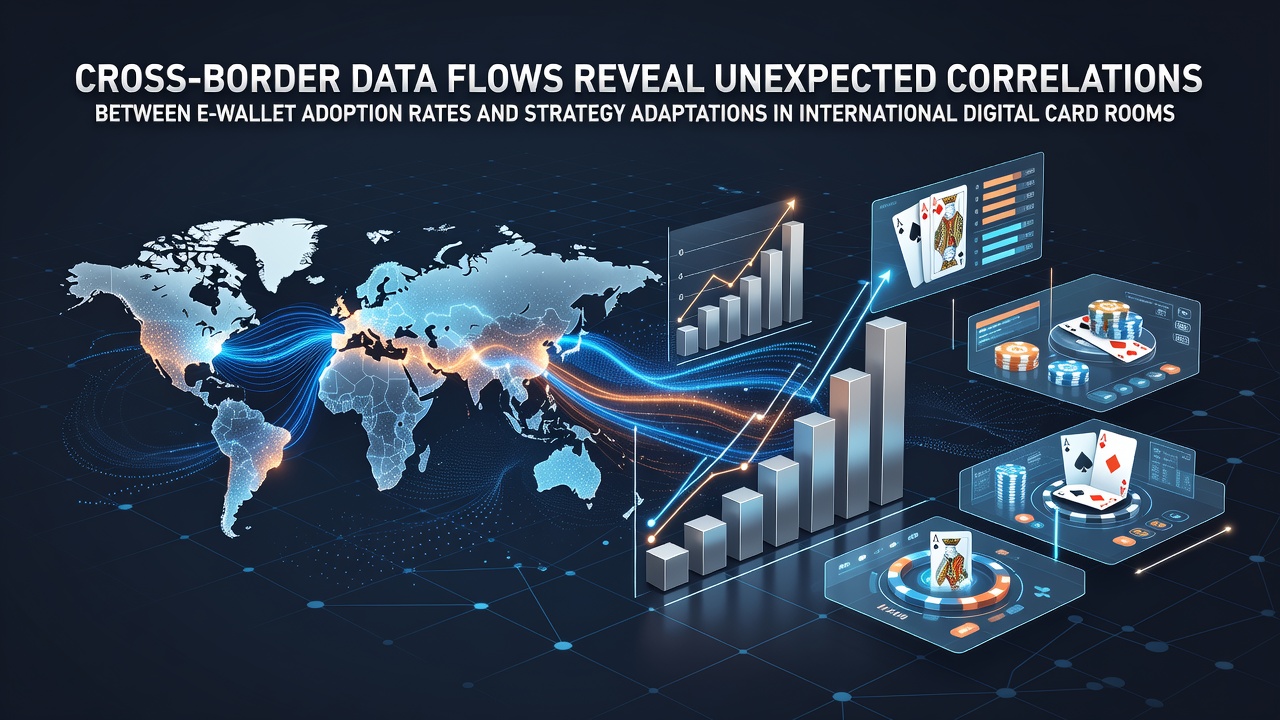
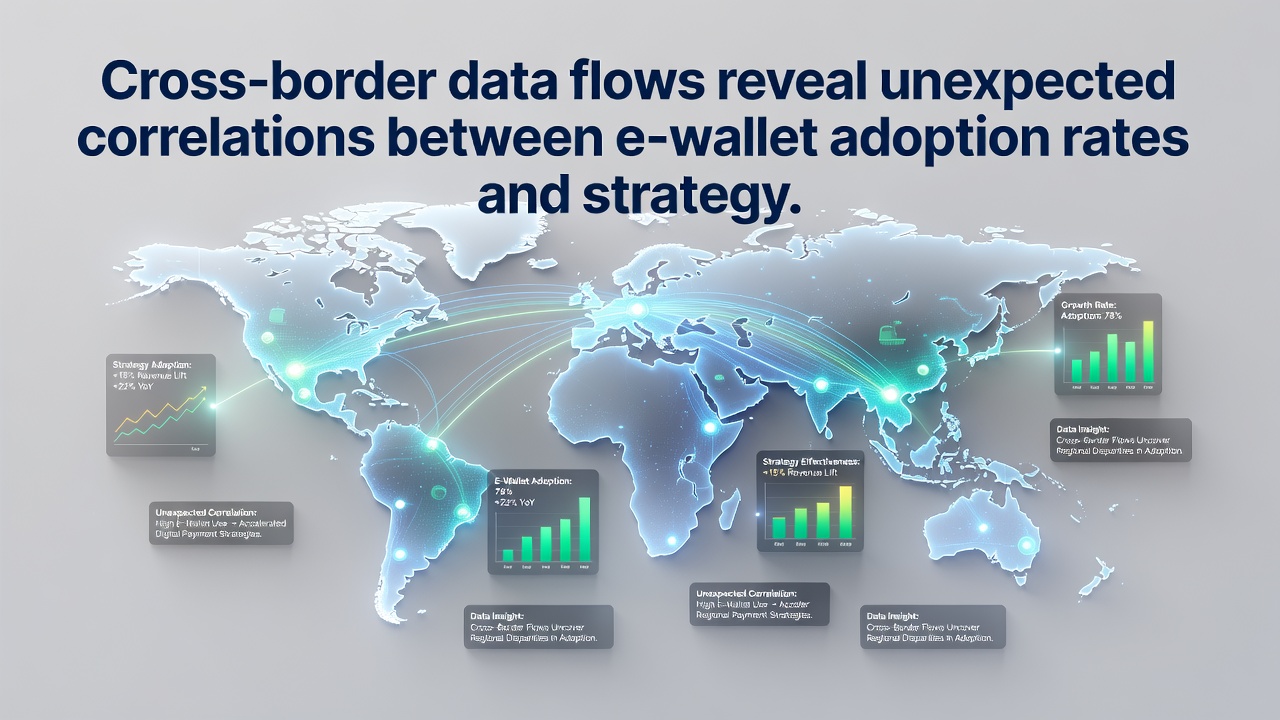
Cross-border data flows have started to highlight patterns that connect e-wallet adoption rates directly with how operators adjust their approaches in international digital card rooms, and these connections appear across markets that operate under different regulatory frameworks. Data collected from multiple jurisdictions shows that regions with higher volumes of digital transactions through e-wallets also demonstrate quicker shifts in game structures, player segmentation methods, and promotional timing within card room platforms.
Mapping Data Movement Across Jurisdictions
Information travels between servers located in different countries as players move from one digital card room to another, and these movements create datasets that reveal adoption trends in specific payment tools. Operators track how often users switch between local banking options and international e-wallets, then compare those figures against changes in table formats or tournament schedules. Studies from the Interactive Gaming Council indicate that transaction logs collected between late 2025 and June 2026 show a measurable uptick in e-wallet usage in markets such as parts of Southeast Asia and certain Canadian provinces, and this increase aligns with adjustments in how card rooms structure their multi-table events.
Regulatory bodies in different regions maintain records of data transfers that involve player activity, and those records allow analysts to identify when adoption spikes occur alongside strategy modifications. For instance, platforms serving European players have adjusted their approach to sit-and-go tournaments after observing consistent patterns in wallet-based deposits during peak evening hours across time zones.
E-Wallet Adoption Patterns and Their Reach
Adoption rates vary by region yet follow similar trajectories when cross-border comparisons become available. In markets where e-wallets already handle a large share of deposits, card room operators have introduced features such as instant rebuy options and dynamic blind structures that respond to real-time activity levels. Data from the Australian Communications and Media Authority points to steady growth in digital wallet transactions among participants in online card formats between 2024 and 2026, while similar patterns emerge in reports covering select U.S. states with regulated online offerings.
Players who rely on e-wallets tend to engage in shorter sessions on average, and operators respond by offering more frequent but smaller-stakes tables. This behavioral signal travels through aggregated datasets that cross national boundaries, allowing strategy teams to test adaptations in one market before rolling them out elsewhere. Observers note that the speed of these adaptations has increased as more platforms integrate APIs that pull transaction data from multiple wallet providers simultaneously.
Strategy Adjustments Tied to Transaction Data
Digital card room operators alter their game libraries and bonus structures based on insights drawn from payment flow information. When e-wallet usage climbs in a particular corridor, platforms often expand their selection of fast-fold games or introduce loyalty mechanics that reward consistent deposit activity rather than total volume. Research compiled by the University of Nevada, Las Vegas International Gaming Institute shows correlations between wallet adoption spikes and the introduction of region-specific tournament series that run during overlapping time windows across continents.
These adjustments appear in both large-scale networks and smaller regional operators, though the scale differs. Larger platforms use the data to fine-tune their rake structures on cash games, while smaller rooms focus on timing their freerolls to match periods of high wallet activity. The common thread remains the use of cross-border datasets to identify which changes produce measurable differences in participation numbers.
Regional Examples of Linked Changes
Take one operator serving players across the Asia-Pacific region that noticed elevated e-wallet activity from Malaysian and Singaporean accounts in early 2026. Within weeks the platform introduced a series of micro-stakes cash tables with shortened blind levels, and participation in those tables rose steadily. Similar patterns appear in North American markets where operators adjusted their satellite tournament structures after reviewing deposit timing data from cross-border sources.
Canadian provincial regulators have documented shifts in how operators present their game lobbies, moving popular cash game formats to more prominent positions after transaction logs revealed consistent wallet-driven traffic during specific hours. European platforms have followed comparable paths, testing dynamic table caps that expand when e-wallet deposits exceed daily averages. Each case demonstrates how aggregated data crossing borders informs decisions that would otherwise rely on single-market observations alone.
Conclusion
The connections between e-wallet adoption and card room strategy continue to surface as more platforms share aggregated insights across borders. Data from sources such as the Interactive Gaming Council and the Australian Communications and Media Authority, along with academic work from the University of Nevada, Las Vegas International Gaming Institute, shows that these correlations influence everything from table formats to promotional calendars. As transaction volumes grow and regulatory reporting requirements evolve, the patterns identified through cross-border flows are likely to shape operational choices in additional markets through the remainder of 2026 and beyond.