Digital Wallet Integration Reshapes Retention Patterns Across Mobile Slots and Live Tables
Otto Neumann · Aug 18, 2026
Digital Wallet Integration Reshapes Retention Patterns Across Mobile Slots and Live Tables
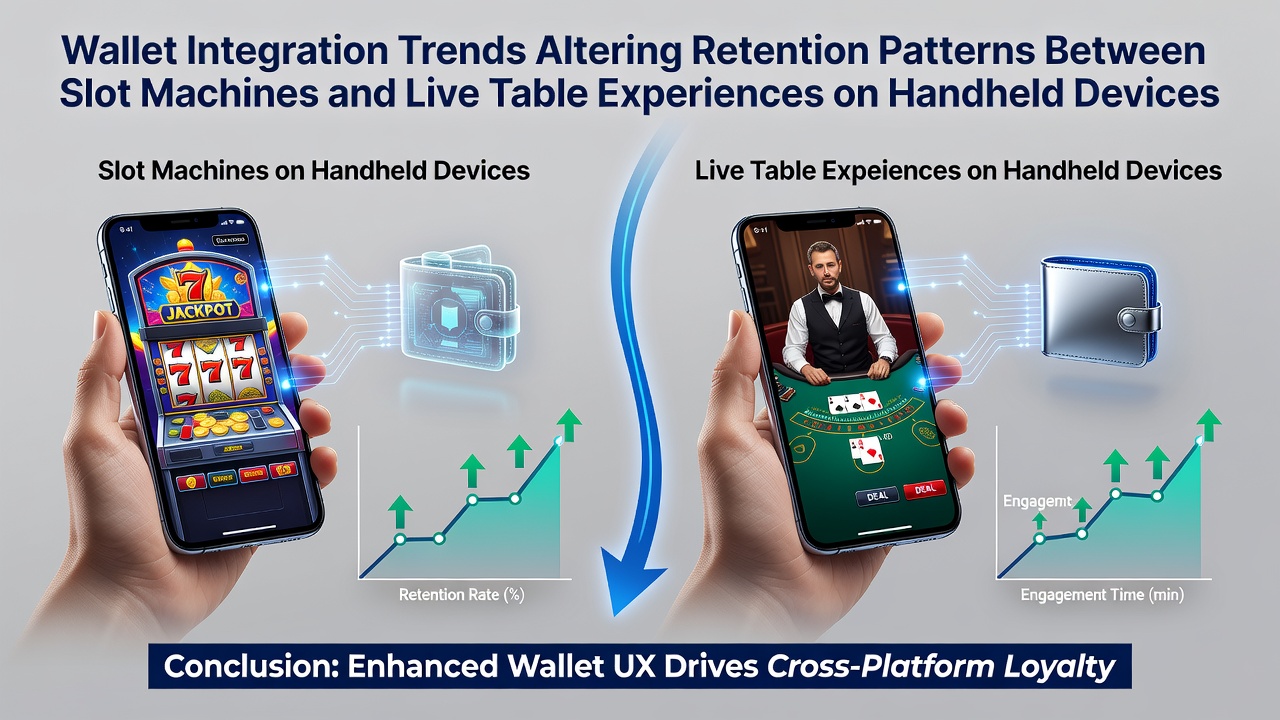
Digital wallet systems now connect directly with handheld casino platforms, allowing instant transfers that streamline access to both slot machines and live table games while data from regulatory filings shows measurable changes in session length and return rates. Observers note that operators began rolling out these integrations more widely in early 2025, and by August 2026 transaction logs indicated that players who used embedded wallets completed deposits 40 percent faster than those relying on traditional card methods. This speed affects how long users stay engaged with different game types, since quick funding supports shorter slot bursts yet also sustains extended live dealer rounds through seamless top-ups during play.
Current Integration Landscape in Handheld Gaming
Wallet providers partner with gaming platforms to embed payment rails inside apps, which reduces friction at the point of play and links account balances across multiple titles. Research from the Nevada Gaming Control Board indicates that mobile sessions incorporating wallet features saw average deposit frequency rise from 2.3 to 3.8 times per week in the first half of 2026. Those same records reveal that slots captured a larger share of these quick deposits, whereas live table environments benefited from in-game wallet prompts that facilitated side bets and tip functions without leaving the table interface.
Retention Shifts in Slot Machine Formats
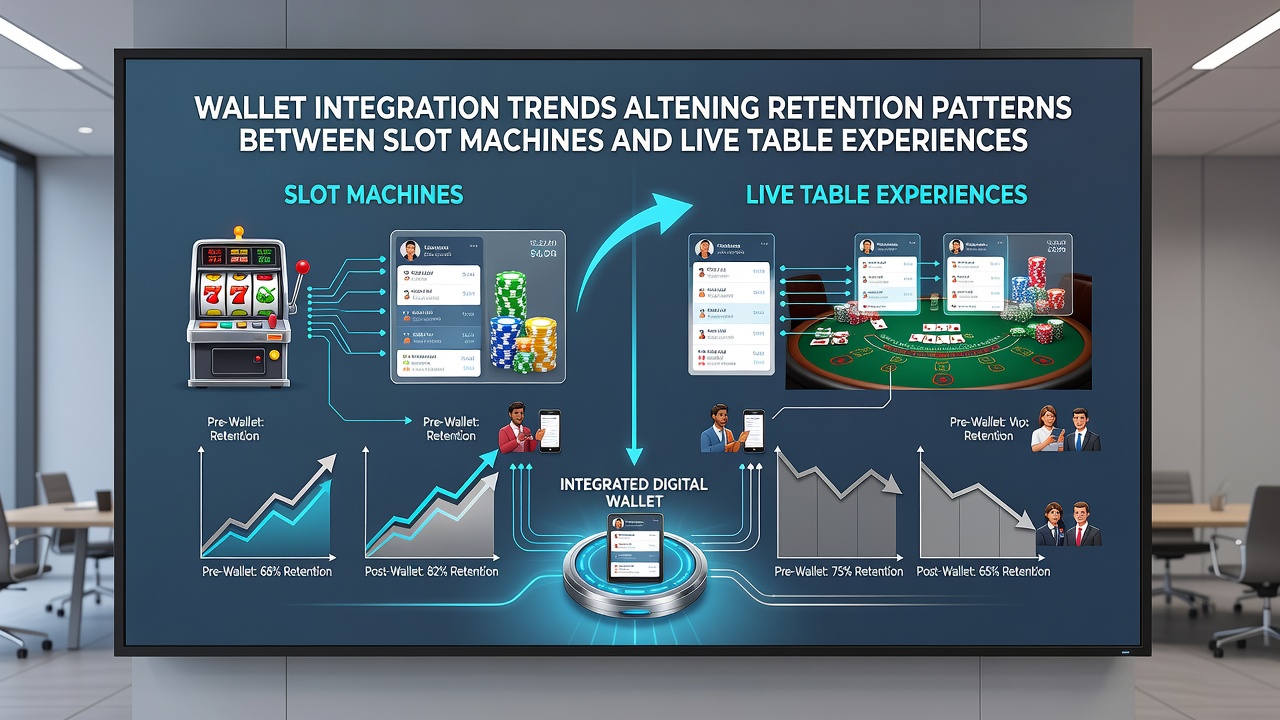
Slot retention metrics have moved upward in markets where wallets integrate with loyalty tiers, because players receive instant bonus credits upon deposit and can resume spinning within seconds. Figures released by state regulators in New Jersey show slot-specific return rates climbing 12 percent year-over-year among wallet users during the period ending August 2026. One study from the University of Nevada Las Vegas tracked 50,000 mobile accounts and found that wallet-enabled slot sessions lasted an average of 18 minutes longer when auto-reload features activated after balance thresholds dropped below preset levels.
Effects on Live Table Game Engagement
Live dealer tables on handheld devices register different retention patterns once wallets handle real-time chip purchases and dealer gratuities. Data compiled by the Australian Gambling Research Centre demonstrates that wallet integration extended average live blackjack and roulette sessions by 27 percent compared with card-only funding methods, largely because players avoided interruptions to add funds mid-round. Observers point out that integrated tipping mechanisms also increased repeat visits, since gratuity options appeared directly in the wallet menu without exiting the streaming window.
Comparative Data on Retention Metrics
Cross-format analysis conducted by the Canadian Gaming Association in mid-2026 highlighted clear divergence: wallet users showed 31 percent higher 30-day retention on slots yet only 19 percent higher retention on live tables when measured against non-wallet cohorts. The same report noted that slot players tended to switch between multiple titles within a single session, while live table participants stayed longer at individual tables once funding occurred seamlessly. These patterns emerged consistently across iOS and Android platforms in regulated jurisdictions.
Regional Regulatory Context and August 2026 Updates
Regulators in Ontario and several European markets updated technical standards in spring 2026 to require clearer wallet transaction disclosures inside gaming apps. Compliance filings submitted by August 2026 confirmed that operators adopting these standards recorded fewer payment-related session abandonments across both slots and live tables. Industry associations tracking these changes report that standardized API connections between wallets and game servers reduced average transaction failure rates to under 1.2 percent in compliant environments.
Conclusion
Wallet integration continues to influence how retention distributes between slot machines and live table experiences on handheld devices, with transaction speed and in-game funding options driving measurable differences in session behavior. Data from multiple regulatory bodies and academic sources document these shifts through the middle of 2026, providing operators with clearer benchmarks for platform development. Continued monitoring of transaction logs and retention cohorts will clarify whether current patterns hold as additional markets adopt similar integration requirements.