Diverse Payment Solutions Drive Incentive Patterns in Live and Sports Betting Hybrids
Otto Neumann · Aug 13, 2026
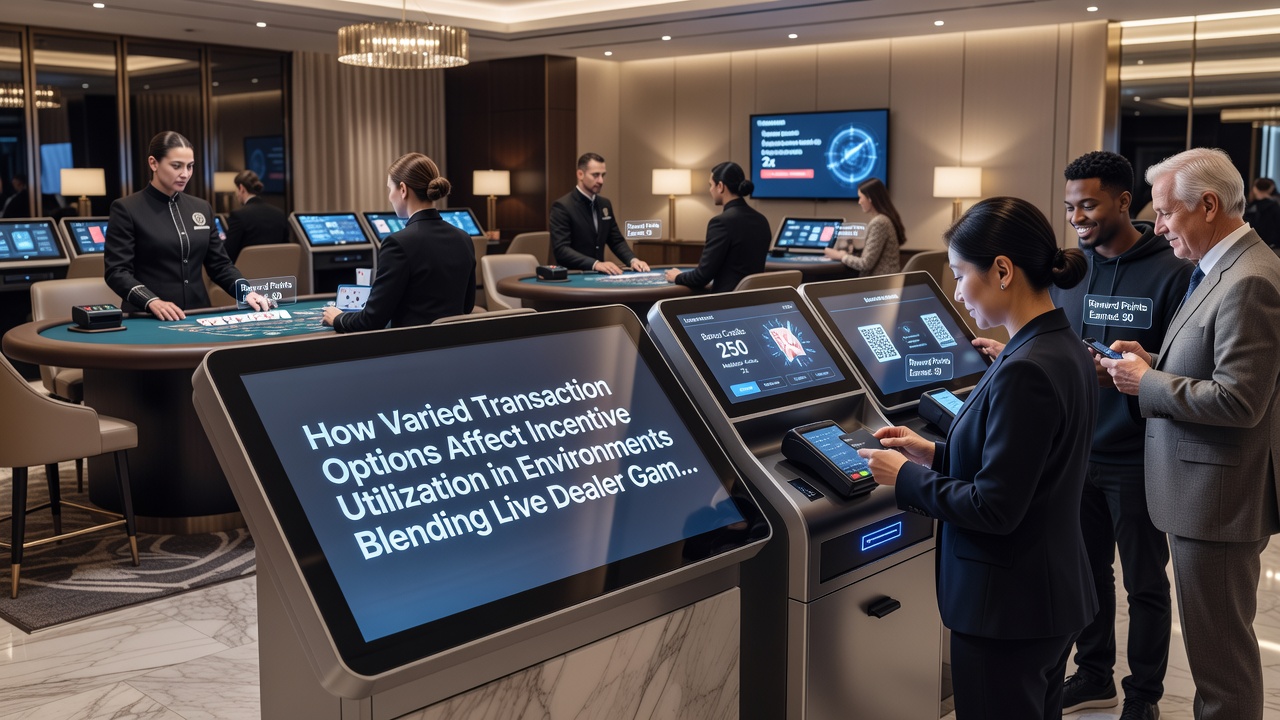
Diverse Payment Solutions Drive Incentive Patterns in Live and Sports Betting Hybrids
Payment method variety continues to shape how incentives get applied within platforms that merge live dealer tables with sports wagering features, and data from multiple regions shows clear connections between transaction speed, accessibility, and reward redemption rates. Observers note that environments blending these formats often see players moving between card games and athletic bets within single sessions, which places added pressure on deposit and withdrawal systems to support seamless bonus activation.
Payment Flexibility and Redemption Rates
Research indicates that platforms offering multiple transaction routes, including digital wallets, bank transfers, and card-based options, record higher rates of incentive utilization compared with those limited to fewer methods. According to figures from the Alcohol and Gaming Commission of Ontario, operators that integrated additional e-wallet providers during 2025 reported a measurable uptick in bonus claims tied to live dealer sessions that also included in-play sports wagers. Those who've examined user logs find that quicker funding options reduce the time between deposit and bonus credit, allowing participants to apply rewards across both table games and betting markets without interruption.
August 2026 brought updated reporting cycles from several jurisdictions, and analysts tracking hybrid platforms observed that users with access to instant transfer services activated seasonal promotions at noticeably higher volumes than those relying on traditional bank processing. This pattern holds especially in cases where live dealer tables run alongside live sports events, because players frequently switch between formats and need transaction tools that keep pace with rapid game changes.
Regional Data on Transaction Impact
Studies from the Australian Gambling Research Centre highlight similar trends in markets where operators combine live casino streams with sports betting apps. Data shows that participants using cryptocurrency or prepaid card options often direct incentives toward higher-volatility live dealer games, whereas bank-linked accounts correlate with steadier use across both sports and table play. The reality is that processing times directly influence whether a bonus expires before full deployment, particularly when events unfold in real time.
One study revealed that operators expanding their transaction menu in early 2026 saw retention of incentive-linked play increase by double-digit margins in blended environments. Experts have observed that this occurs because varied options accommodate different user preferences for speed versus security, which in turn affects how rewards get allocated between dealer tables and wagering markets.
Integration Challenges Across Formats
Blended platforms face distinct hurdles when aligning transaction systems with incentive rules that span live dealer and sports sections. Researchers discovered that mismatched processing speeds between deposit methods and game types can lead to underutilized bonuses, especially during peak periods when users move quickly from one format to another. Those who've reviewed operational reports note that platforms addressing these gaps through unified wallet systems achieve more consistent incentive application across both verticals.
What's interesting is how regulatory updates scheduled for later in 2026 may further standardize transaction reporting requirements, which could give clearer pictures of incentive patterns in these hybrid settings. Platforms that already track method-specific redemption data stand better positioned to adjust bonus structures accordingly.
Future Patterns in Unified Ecosystems
Evidence suggests continued growth in transaction diversity will influence incentive design choices for operators running combined live and sports offerings. According to industry reports from Canadian regulatory bodies, users increasingly select methods based on how easily rewards transfer between game types, and this behavior shows up in session data from August 2026 onward. Observers note that such shifts encourage platforms to refine rules around minimum deposits or wagering requirements to match the capabilities of each payment route.
Take one operator who expanded support for regional digital wallets and subsequently recorded broader distribution of incentives across dealer tables and sports events within the same user accounts. Patterns like these indicate that transaction flexibility serves as a practical lever for maximizing reward engagement rather than a secondary feature.
Conclusion
Transaction option variety directly correlates with incentive utilization levels in environments that blend live dealer games and sports wagering, based on data compiled through mid-2026. Platforms that expand payment choices while maintaining clear bonus tracking see more consistent reward deployment across both formats. As reporting cycles continue, further details on these connections will emerge from regulatory sources in multiple regions, providing additional benchmarks for how payment infrastructure supports integrated gaming experiences.