How Tiered Incentive Structures Shape Long-Term Player Retention in Gaming Formats
Iris Friedrich · Jun 2, 2026
How Tiered Incentive Structures Shape Long-Term Player Retention in Gaming Formats
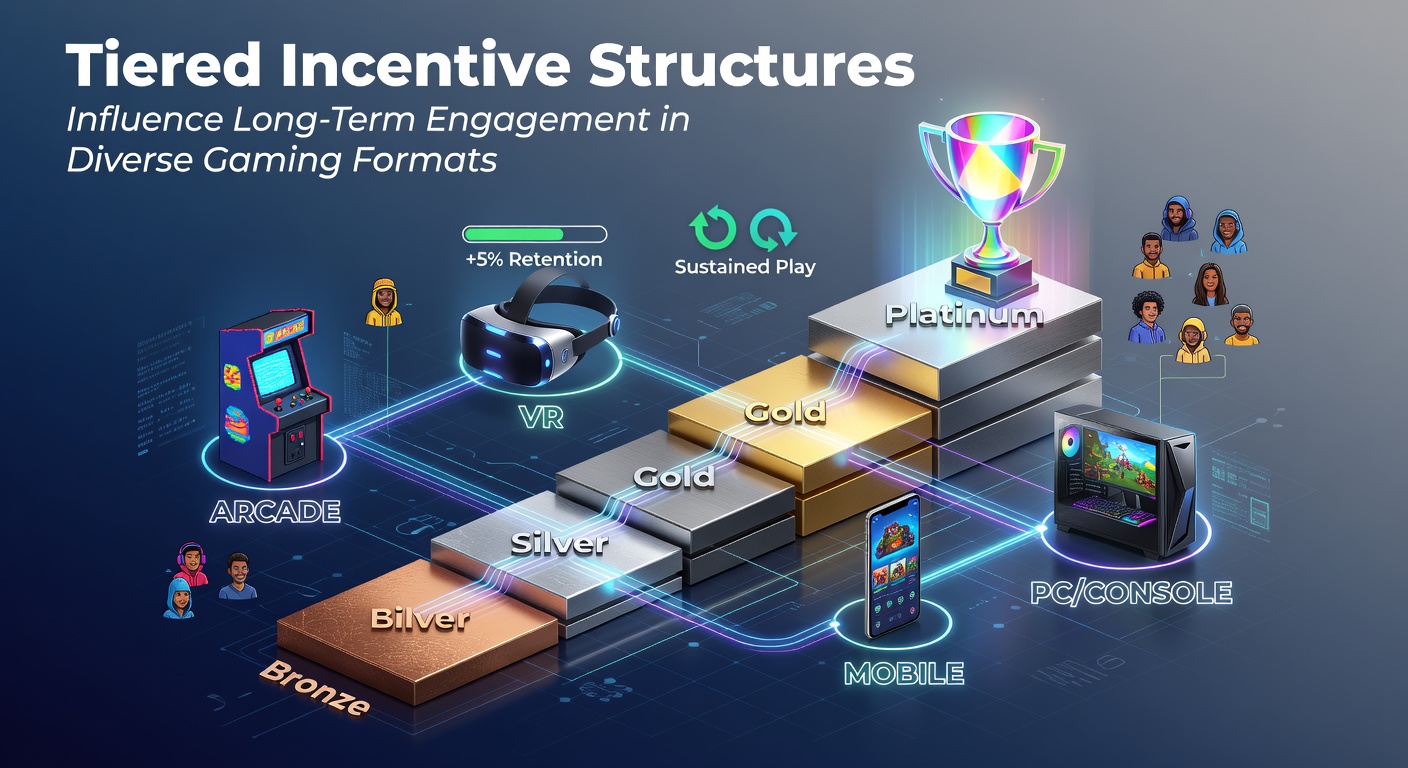
Developers across the gaming industry have integrated tiered incentive structures into their platforms because these systems create measurable pathways that encourage repeated interaction, and data from multiple markets shows consistent patterns in how players respond to escalating rewards over months or years rather than isolated sessions.
Core Mechanics Behind Tiered Systems
Tiered structures typically divide participation into progressive levels where each stage unlocks additional benefits such as exclusive cosmetics, currency multipliers, or priority access to new content, while entry points remain accessible to new users and higher tiers demand sustained activity measured in hours played or challenges completed. Industry reports indicate that these ladders function through both intrinsic motivation from visible progress and extrinsic drivers like limited-time bonuses that reset periodically, and the combination keeps engagement metrics stable even when core gameplay loops begin to feel repetitive.
Application in Console and PC Titles
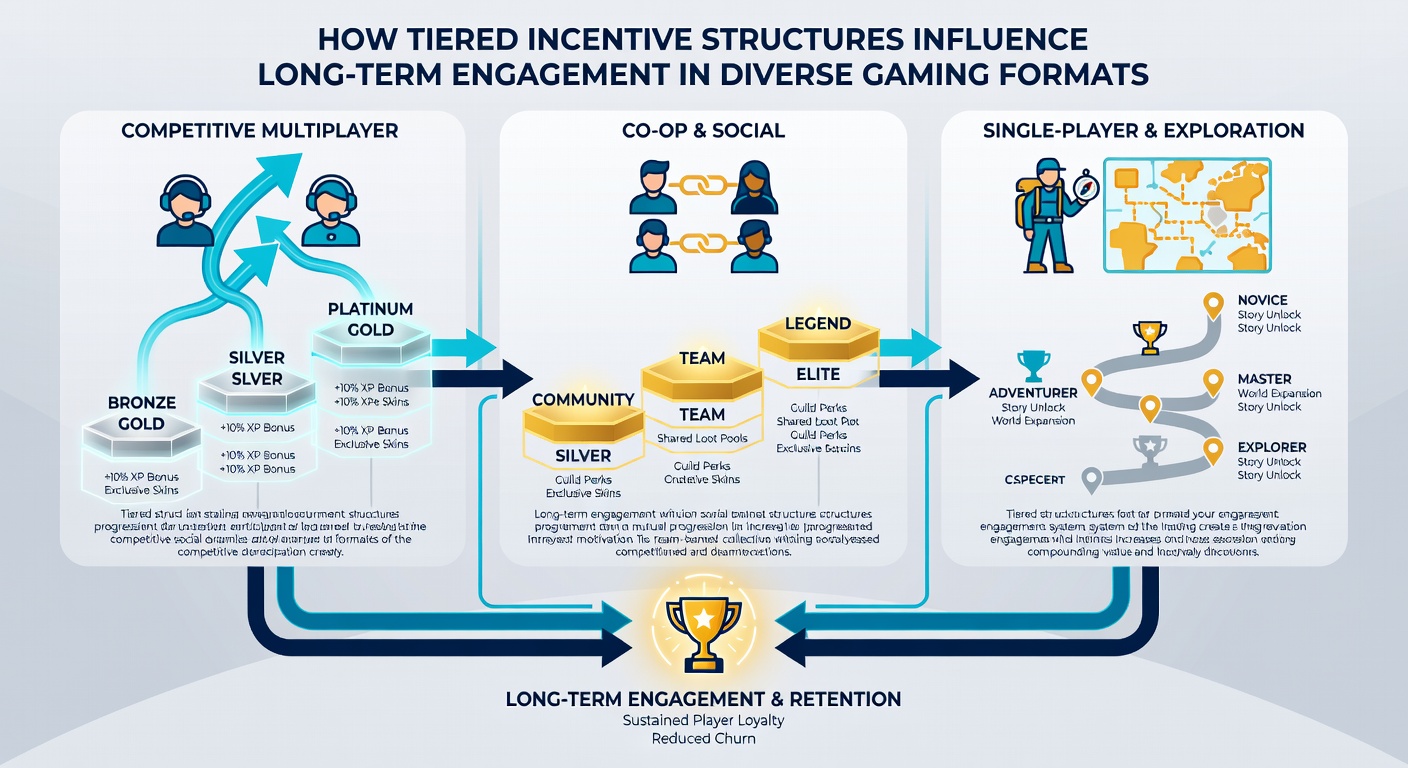
Battle pass models in competitive shooters and role-playing games demonstrate how tiers influence retention because players who reach mid-level milestones often extend their playtime by 30 to 40 percent compared with those who remain at base tiers, according to aggregated telemetry shared by platform holders. Seasonal resets introduce fresh objectives that pull returning users back into lobbies, yet the cumulative rewards from previous cycles carry forward in prestige systems that recognize long-term commitment. Observers note that games employing these designs maintain higher monthly active user counts through summer periods when competing entertainment options increase.
Mobile Gaming and Daily Engagement Loops
Mobile titles rely on daily login streaks combined with tiered loyalty programs that scale rewards based on consecutive days or total lifetime spending thresholds, and research from global market analysts reveals that players who enter the second or third reward bracket show reduced churn rates over six-month windows. These structures integrate with gacha mechanics where higher tiers improve probability outcomes, yet regulatory scrutiny in several jurisdictions has prompted clearer disclosure of odds to maintain transparency. Data collected through app store analytics further shows that tier visibility on home screens correlates with increased session frequency because users track their proximity to the next unlock in real time.
Esports and Subscription-Based Formats
Professional circuits and subscription services employ tiered membership benefits that grant tournament qualifiers or exclusive streams to dedicated subscribers, while free-to-play users receive limited access that encourages upgrades after initial exposure. Figures released by the Entertainment Software Association highlight that hybrid models combining competitive ladders with cosmetic tiers sustain viewership and participation numbers through off-peak months, and similar patterns appear in subscription services where annual plans reduce monthly cancellations compared with basic monthly options. What's interesting is that cross-format integration, such as linking mobile progress to console accounts, amplifies these effects because players carry tier status across devices without starting over.
Regional Variations and Regulatory Context
Markets in North America and the Asia-Pacific region have adopted tiered systems at different rates because local consumer preferences and oversight frameworks shape implementation details, and reports from the Interactive Games and Entertainment Association in Australia document higher retention when tiers emphasize skill-based rather than purchase-based advancement. European operators face additional requirements around loot box disclosures that affect how rewards appear in tier descriptions, leading developers to emphasize gameplay milestones over direct spending. June 2026 data releases from multiple publishers are expected to clarify whether recent adjustments to tier pacing have altered long-term metrics following earlier regulatory updates.
Measured Outcomes from Industry Analyses
Longitudinal studies tracking cohorts of players across six to twelve months demonstrate that tiered participants maintain higher average daily playtime once they surpass the first reward threshold, and this pattern holds across genres even when controlling for title popularity. Retention curves flatten less steeply for users who receive regular tier notifications, suggesting that visibility of upcoming benefits reduces drop-off during content droughts. External analyses, including those referenced through academic repositories, continue to examine whether these structures create dependency patterns or simply align with existing player preferences for structured progression.
Conclusion
Tiered incentive designs continue to evolve as developers refine pacing and reward distribution based on player telemetry collected across diverse formats, and the resulting frameworks provide clear benchmarks for measuring sustained engagement without relying solely on initial launch spikes. Continued monitoring through 2026 and beyond will determine how adjustments in tier accessibility influence broader participation trends in both established and emerging gaming categories.