Regional Regulations Driving Shifts in Reward Structures for Blended Athletic and Table Game Apps
Erik Powell · Jul 18, 2026

Regional Regulations Driving Shifts in Reward Structures for Blended Athletic and Table Game Apps
Regional regulations continue to reshape reward structures within apps that combine athletic wagering with table game features, and operators adjust loyalty programs along with bonus allocations to maintain compliance across multiple jurisdictions. Data from regulatory filings indicates that jurisdictions enforce distinct requirements on how rewards distribute between sports betting components and table game elements, which leads developers to implement segmented incentive systems rather than unified point pools. In several markets these changes took effect during the first half of 2026, with additional compliance deadlines scheduled for July 2026 in select North American states.
North American Regulatory Adjustments
State-level gaming authorities in the United States have introduced rules that separate reward calculations for athletic events from those tied to table game play, and this separation affects how blended apps calculate player tiers. The Nevada Gaming Control Board updated its technical standards in early 2026 to require distinct audit trails for sports-related bonuses versus table game promotions, which forces app developers to modify backend systems accordingly. Meanwhile Canadian provincial regulators, including those in Ontario, issued updated guidelines that cap the percentage of rewards derived from table game activity when apps also offer athletic betting options, and these caps require operators to recalibrate loyalty multipliers each quarter.
Observers note that these North American measures emerged after industry reports highlighted uneven reward distribution in hybrid platforms, and the resulting frameworks aim to create transparent allocation methods. Several operators responded by launching region-specific versions of their apps that apply different reward formulas based on user location detection, while maintaining core gameplay consistency across borders.
European and Asia-Pacific Frameworks
European regulators continue to refine cross-border standards that influence reward mechanics in blended applications, and the European Gaming and Betting Association released guidance in late 2025 that addresses how combined athletic and table game platforms must handle bonus expiration periods. This guidance encourages operators to align reward validity windows with local consumer protection statutes, which has prompted several major apps to introduce staggered expiry schedules that differ between sports and table segments. In Australia state gaming commissions have similarly required clear disclosure of how rewards transfer between athletic wagers and table game sessions, and these disclosures must appear within app interfaces rather than separate terms documents.
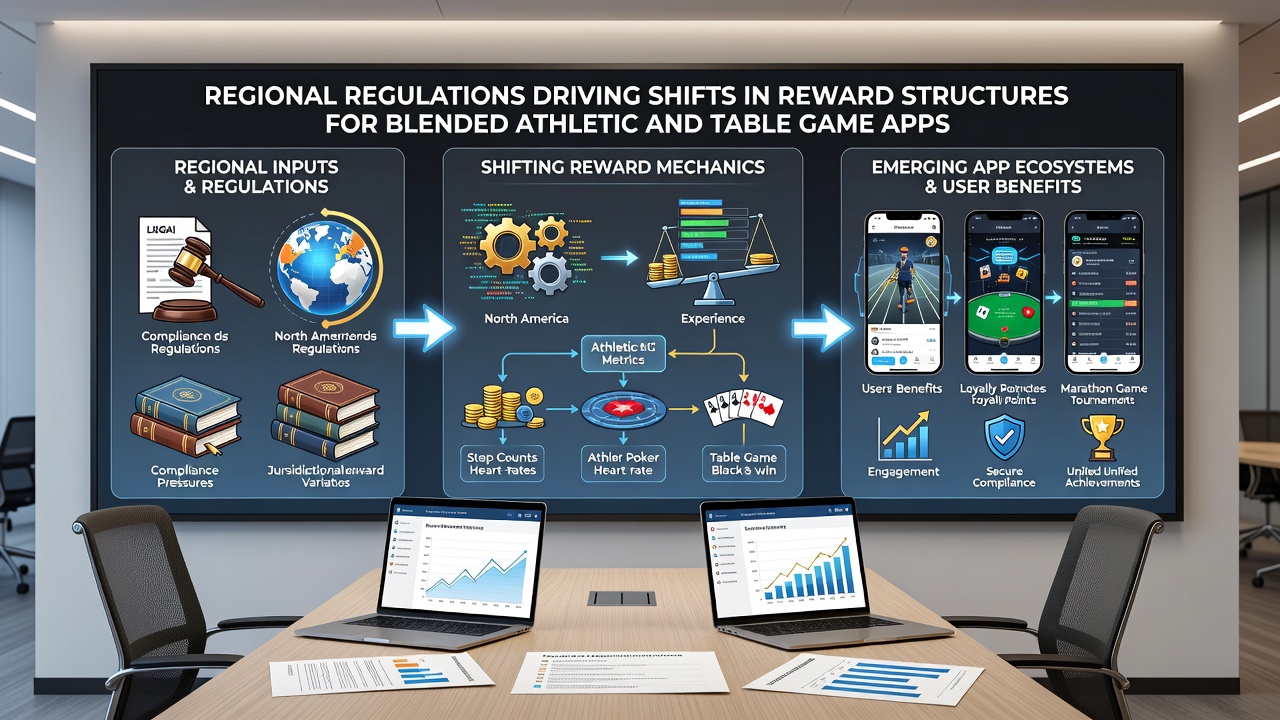
Research from the University of Sydney's gambling studies unit indicates that Australian operators began testing segmented reward ledgers in response to these requirements, and preliminary data shows reduced player migration between reward categories after implementation. Asian markets have followed parallel paths, with regulators in Singapore and Japan imposing separate reporting obligations for blended platforms that link athletic event bonuses to table game participation rates.
Effects on Reward Allocation Mechanisms
Blended apps have shifted from single-pool reward systems toward modular structures that assign points based on game category, and this modular approach satisfies regional demands for category-specific oversight. Operators now track athletic wager volume separately from table game activity when calculating tier progression, which allows compliance teams to generate jurisdiction-specific reports without altering user-facing interfaces significantly. Figures released by the International Association of Gaming Regulators reveal that platforms adopting these modular systems experienced fewer regulatory queries during the first quarter of 2026 compared with unified systems.
Payment and bonus redemption flows have also adapted, and several apps now route table game rewards through distinct verification steps that align with local responsible gaming thresholds. This routing occurs automatically based on detected user jurisdiction, which reduces manual compliance reviews while preserving seamless player experiences within approved boundaries.
Implementation Patterns Across Platforms
Developers have adopted phased rollout strategies that prioritize high-volume markets first, and these strategies often include A/B testing of reward displays to confirm regulatory alignment before wider deployment. In July 2026 several additional U.S. states plan to enforce similar segmentation rules, which will require further updates to reward engines already modified for earlier deadlines. Case studies from operators active in both European and North American markets show that maintaining separate reward ledgers adds development overhead yet streamlines audit processes when multiple regulators request data simultaneously.
Industry reports indicate that these regulatory pressures have accelerated adoption of real-time compliance monitoring tools within blended apps, and the tools flag potential reward allocation conflicts before they reach players. Such monitoring allows operators to adjust parameters dynamically when new regional rules emerge, which keeps platforms responsive without full system overhauls.
Conclusion
Regional regulations continue to drive measurable changes in how blended athletic and table game apps structure rewards, and operators respond by implementing segmented systems that satisfy diverse jurisdictional requirements. Data collected through mid-2026 demonstrates that these adjustments produce clearer audit trails while maintaining operational continuity across markets. As additional compliance deadlines approach, platforms that maintain flexible reward architectures remain positioned to integrate new rules efficiently without disrupting existing player engagement patterns.