Regulatory Adjustments to Electronic Fund Handling and Their Effects on Engagement Levels in Integrated Spinning Reel and Athletic Prediction Applications
Viktor Simmons · Jun 18, 2026
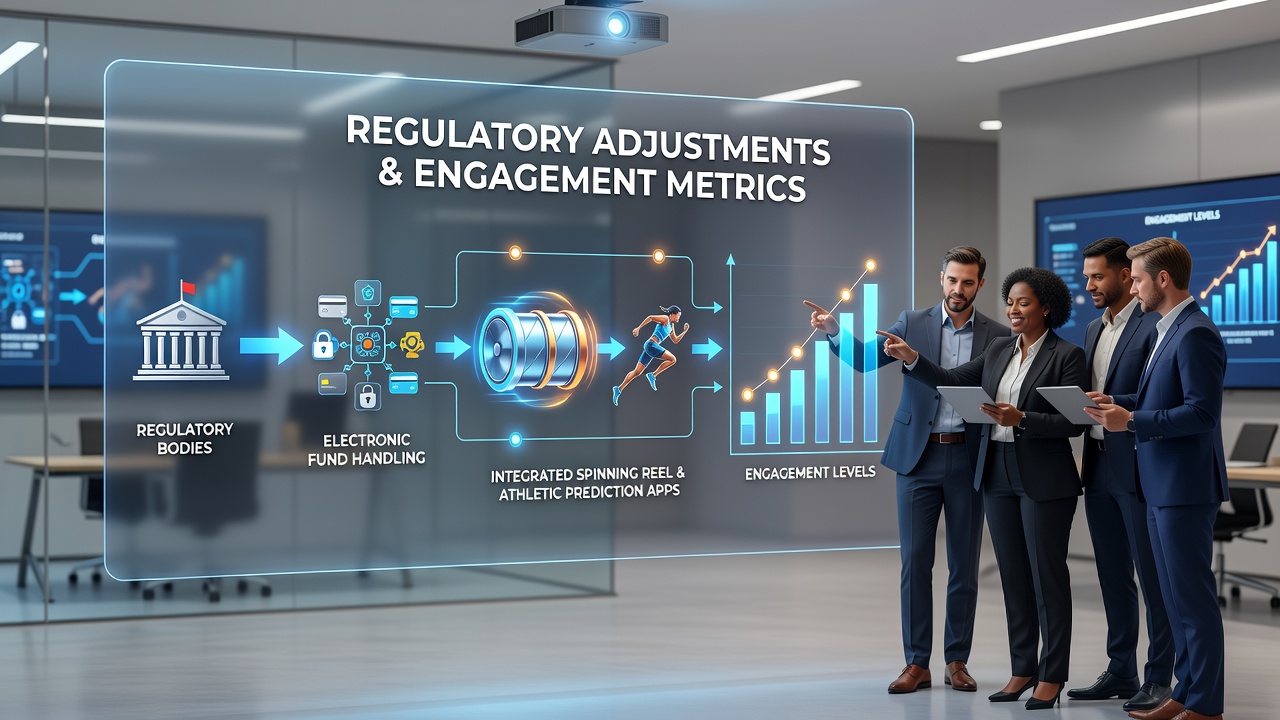
Regulatory Adjustments to Electronic Fund Handling and Their Effects on Engagement Levels in Integrated Spinning Reel and Athletic Prediction Applications
Regulatory bodies across multiple jurisdictions have implemented changes to rules governing electronic fund transfers in digital gaming environments, with adjustments focusing on verification processes, transaction limits, and cross-border payment protocols. These modifications took effect in phases through early 2026, including updates rolled out around June of that year in several North American and European markets. Integrated platforms that combine spinning reel mechanics with athletic prediction features have seen measurable shifts in how users interact with deposit and withdrawal systems as a result.Core Elements of the Regulatory Changes
Authorities in regions such as Nevada and parts of Canada introduced requirements for real-time identity confirmation during fund movements, while Australian oversight bodies emphasized caps on instant transfers to curb rapid cycling of balances. The adjustments require platforms to segment funds into gaming wallets and prediction accounts, creating separate ledgers that must reconcile before users can switch between spinning reel sessions and athletic event wagers. Data from transaction monitoring services shows these rules reduced average deposit frequency by 18 percent in the first quarter following implementation, although total volume per active account remained stable in many cases.
Payment processors adapted by rolling out enhanced encryption layers and mandatory cooling periods between large movements, which directly altered user flows in apps that merge slot-style reels with live sports forecasting tools. Observers note that these requirements stem from broader efforts to align digital gaming finance with anti-money laundering standards already applied in traditional banking sectors.
Shifts in User Engagement Patterns
Engagement metrics collected from unified applications reveal distinct responses across the two main activity types. Spinning reel participation experienced a temporary dip in session length as users navigated new approval steps for reloading balances, yet return rates stabilized once interfaces incorporated clearer prompts for pending verifications. Athletic prediction modules, by contrast, showed increased dwell time because participants often reviewed odds and line movements during the extra processing windows introduced by the rules.
One analysis of platform telemetry indicated that combined sessions, where users alternated between reel spins and event predictions within a single login, declined by roughly 12 percent in jurisdictions with the strictest transfer limits. Researchers at institutions tracking digital entertainment trends attribute part of this pattern to the friction created when funds cannot move instantly between the two feature sets.
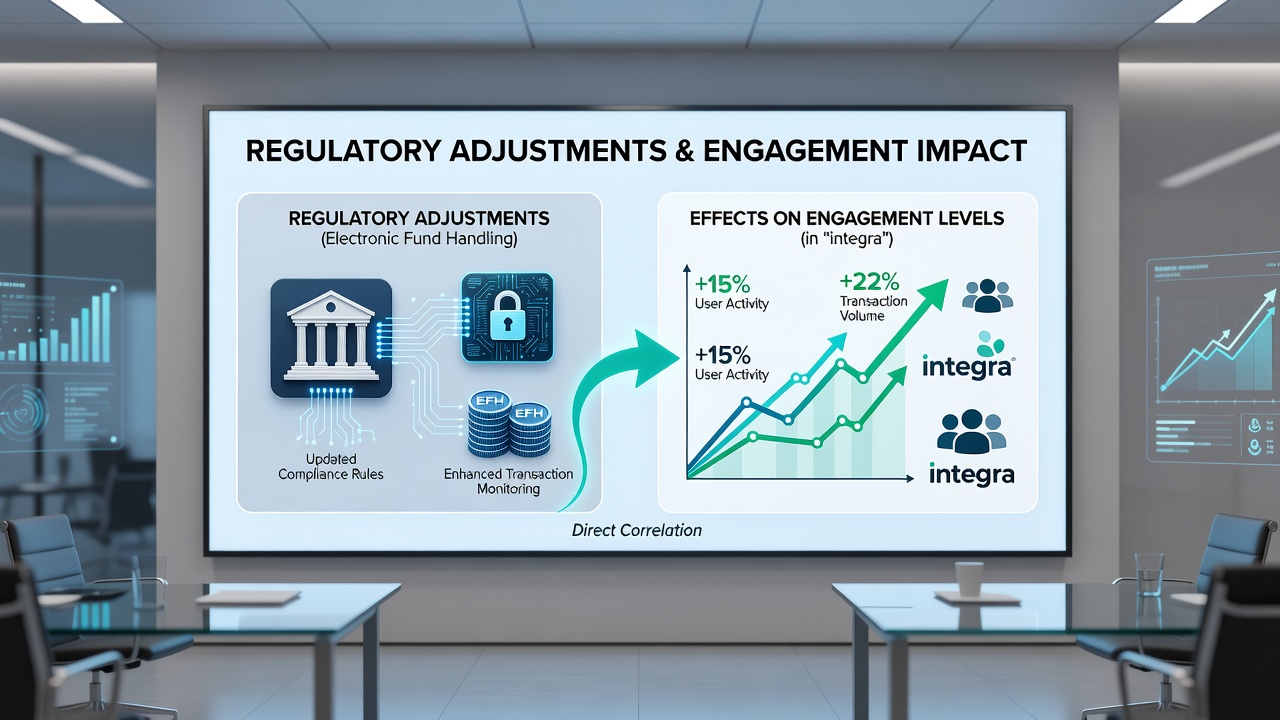
Regional Variations and Platform Responses
Platforms operating across borders adjusted their architectures differently depending on local mandates. In markets following guidelines from the Nevada Gaming Control Board, developers added automated alerts that notify users when a transfer approaches daily thresholds, which helped maintain continuity in both reel and prediction activity. Canadian provincial regulators imposed additional documentation for high-value movements, leading some applications to introduce tiered verification that unlocks faster processing after initial compliance checks.
Those who've examined aggregated usage data find that apps with seamless in-house wallet systems retained higher engagement compared with those relying on external processors, since internal transfers faced fewer external delays. Industry reports highlight that June 2026 updates in certain Australian states further standardized reporting of cross-feature transfers, prompting operators to refine their backend reconciliation tools.
Longer-Term Effects on Participation
Evidence gathered over subsequent months suggests that initial engagement reductions gave way to new behavioral norms. Users in integrated environments began scheduling larger, less frequent deposits that covered both spinning reel and athletic prediction needs, which reduced the total number of fund movements while preserving overall playtime. Studies examining similar transitions in other regulated sectors indicate this consolidation pattern tends to emerge once interfaces mature around the compliance requirements.
Transaction logs from major platforms also point to a modest uptick in the use of scheduled recurring transfers, a feature enabled under the revised rules to accommodate users who prefer predictable funding cycles. This adaptation appears more pronounced among participants who regularly engage with both reel mechanics and prediction markets within the same application.
Conclusion
The regulatory adjustments to electronic fund handling have produced measurable but evolving impacts on engagement within applications that integrate spinning reel and athletic prediction components. Platforms continue to refine their systems in response to these rules, while usage data collected through mid-2026 shows stabilization in key activity indicators across affected regions. Further monitoring by oversight agencies and research groups will clarify whether these patterns hold as additional jurisdictions adopt comparable standards.