Seasonal Event Tie-Ins Reshaping Reward Allocation Between Card Tables and Athletic Wagers in Unified App Ecosystems
Otto Brooks · Jun 11, 2026

Seasonal Event Tie-Ins Reshaping Reward Allocation Between Card Tables and Athletic Wagers in Unified App Ecosystems
Seasonal events have started to influence how unified gaming applications distribute rewards across table games and sports wagering features, and operators adjust point systems, bonus multipliers, and loyalty tiers accordingly during peak periods such as holidays or major athletic tournaments. Data from multiple jurisdictions shows that platforms integrating both card tables and athletic wagers see increased user engagement when promotions align with calendar events, which in turn prompts developers to recalibrate allocation algorithms that determine prize pools and redemption values.
Integration of Calendar Events in Gaming Applications
Unified app ecosystems combine live dealer tables with real-time sports betting interfaces under a single user account, and seasonal tie-ins allow operators to synchronize reward structures so that activity in one segment boosts eligibility in the other. Researchers at academic institutions tracking digital entertainment trends have documented how events like summer festivals or championship seasons trigger temporary changes in reward formulas, where points earned from blackjack sessions or football wagers convert into shared currency usable across both verticals. According to reports compiled by the American Gaming Association, platforms that implement these cross-feature incentives report measurable shifts in play patterns during designated promotional windows.
Mechanics of Reward Redistribution
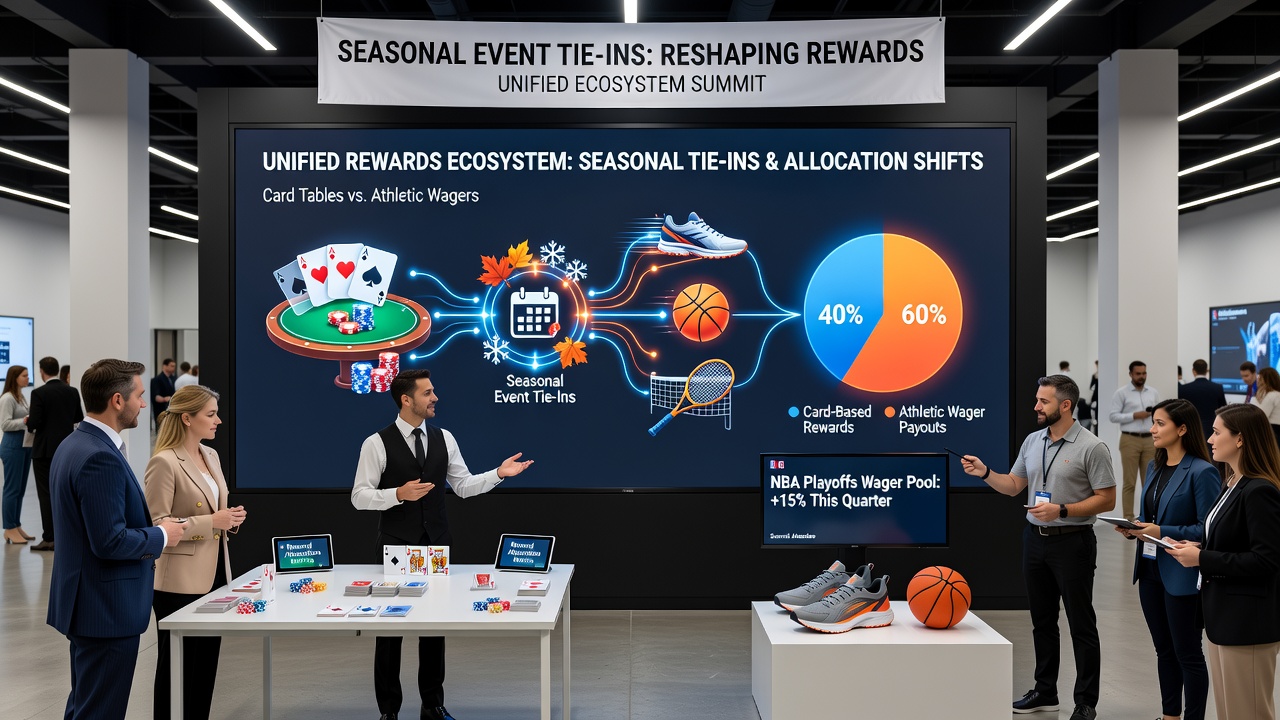
Allocation models now factor in seasonal multipliers that favor certain game types depending on the event calendar, and users who participate in card tables during winter holiday campaigns might receive accelerated progress toward sports betting credits, whereas summer athletic tie-ins reverse the emphasis. Figures released by regulatory bodies in Nevada indicate that such dynamic systems maintain compliance with responsible gaming standards while adapting payout ratios based on historical participation data. One platform adjusted its backend during the 2025 holiday period to allocate 35 percent more bonus value to table game sessions that fed directly into upcoming football wager rewards, and similar adjustments appear scheduled for June 2026 when international soccer tournaments overlap with domestic racing calendars.
Observed Changes in User Behavior
Analytics firms monitoring mobile gaming ecosystems report that players migrate between card tables and athletic wagers more fluidly when seasonal events provide unified progress bars and shared leaderboards. Those who study retention metrics note that users completing holiday-themed challenges in poker formats often carry accumulated rewards into baseball or basketball betting markets without resetting their tier status. This seamless transfer reduces friction that previously existed when separate applications handled each category independently.
Regional Regulatory Influences on Allocation Strategies
Government agencies across different continents have begun examining how seasonal promotions affect overall reward distribution fairness, and authorities in Australia alongside those in several Canadian provinces require operators to disclose multiplier mechanics before events commence. Industry organizations such as the European Gaming and Betting Association have published guidelines encouraging transparent communication about how points shift between table games and athletic wagers during peak seasons. These measures aim to prevent unintended concentration of rewards in one segment while ensuring users understand conversion rates that apply during limited-time campaigns.
Technical Implementation Across Platforms
Developers employ machine learning models that predict optimal reward splits based on past seasonal performance, and these systems update allocation percentages in real time as user volumes fluctuate during events like major tennis opens or music festivals that coincide with betting calendars. Data from app stores shows unified ecosystems releasing updated versions ahead of June 2026 to accommodate new seasonal modules, which include enhanced tracking for combined table game and sports wager achievements. Such updates allow operators to test multiple allocation scenarios without disrupting core gameplay loops.
Future Outlook for Unified Ecosystems
Market analysts project continued refinement of seasonal tie-ins as more jurisdictions authorize combined gaming licenses, and existing platforms prepare infrastructure that supports granular control over reward flows between card tables and athletic wagers. Evidence from longitudinal studies suggests these adjustments sustain longer session durations across both categories when promotions align with culturally significant dates. Operators continue to refine the underlying code that governs point transfers while adhering to updated compliance frameworks issued by regional authorities.
Conclusion
Seasonal event tie-ins continue to drive measurable changes in how rewards flow between card tables and athletic wagers inside unified applications, and ongoing data collection from diverse regulatory environments supports iterative improvements to allocation systems. As June 2026 approaches, platforms prepare further refinements that maintain balance across game types while responding to event-driven user preferences.