Smartphone Payment Innovations Driving Participation in Online Table Games and Wagering Events
Iris Friedrich · May 23, 2026
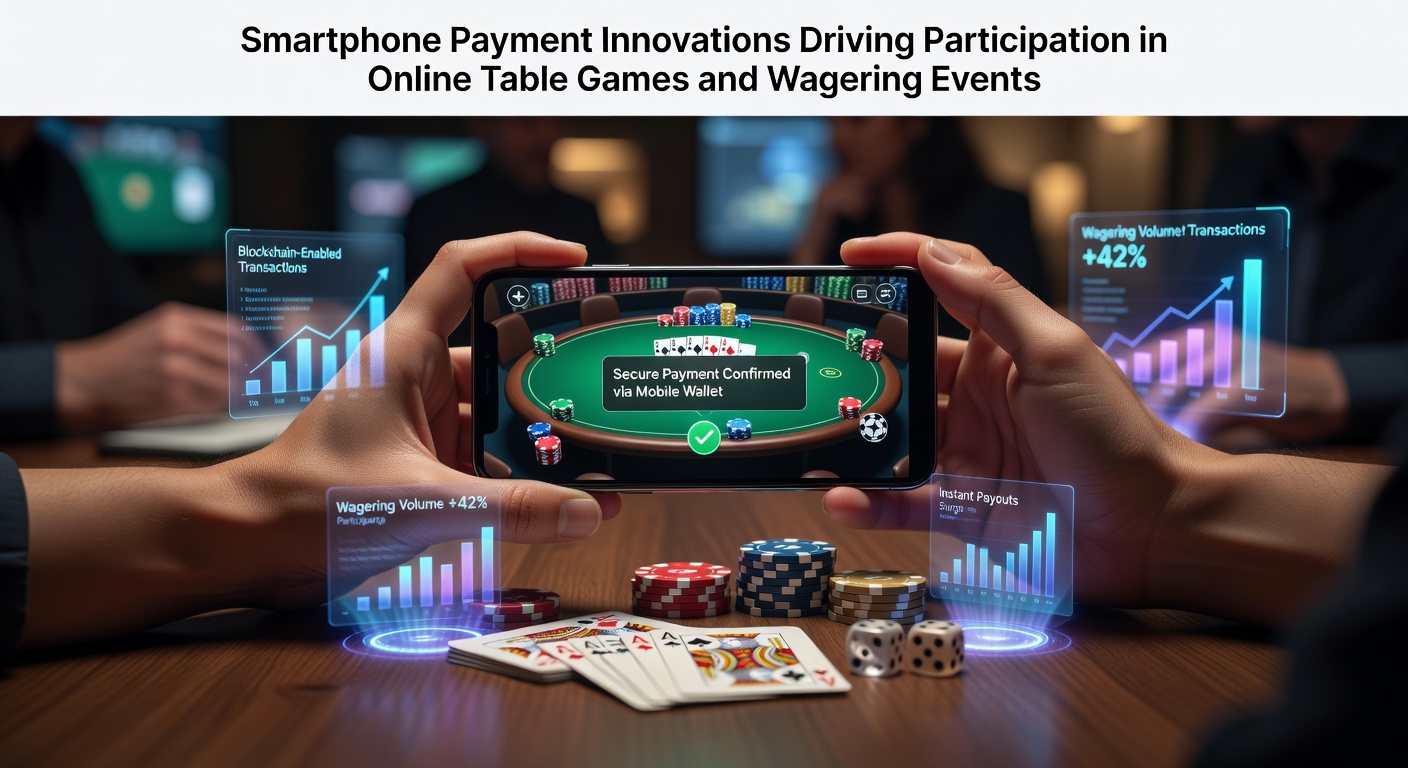
Smartphone Payment Innovations Driving Participation in Online Table Games and Wagering Events
Smartphone payment technologies continue to reshape how participants engage with online table games and wagering events around the world, and data from regulatory bodies shows steady growth in mobile transaction volumes over recent years. Integration of digital wallets, instant bank transfers, and biometric authentication systems allows users to complete deposits and withdrawals in seconds rather than minutes, which in turn supports longer sessions at virtual blackjack tables, roulette wheels, and poker rooms. Observers note that these tools reduce friction points that once interrupted play, while encryption standards and tokenization methods maintain security levels that meet or exceed requirements set by oversight agencies in multiple jurisdictions.
Key Payment Technologies Enabling Broader Access
Digital wallet services such as Apple Pay and Google Pay now connect directly with licensed gaming operators, and transaction logs from operators indicate that users who link these wallets participate in table game rounds at higher frequencies than those relying on traditional card entries. Instant bank transfer protocols, including those built on open banking frameworks, further streamline movement of funds between personal accounts and gaming balances, and figures released by the Alcohol and Gaming Commission of Ontario reveal a measurable uptick in mobile-initiated wagering activity following wider adoption of these systems. Cryptocurrency options, though subject to varying regional rules, appear in select platforms where operators comply with local statutes, and researchers tracking adoption rates point to faster settlement times as a factor that encourages repeat engagement in live dealer events.
Biometric verification layers, including fingerprint and facial recognition, add another dimension by confirming user identity without manual entry of lengthy passwords or codes. Studies conducted by academic teams at institutions in Australia have documented how these features lower abandonment rates during the deposit phase of online sessions, and operators report that players who complete verification once often maintain consistent participation across both table games and sports wagering markets. Multi-factor authentication that combines device-based signals with behavioral analytics provides additional safeguards, and data compiled through industry monitoring programs shows these combined methods correlate with sustained user retention figures.
Regional Trends and Participation Data
North American markets display distinct patterns where state-level regulations influence which payment rails gain traction, and statistics gathered by Statistics Canada highlight increased mobile transaction shares within provincially regulated iGaming environments. European operators, operating under frameworks established by national authorities, have integrated similar smartphone solutions, and participation metrics from those regions indicate that seamless funding options contribute to higher volumes in games such as baccarat and sic bo alongside established staples like roulette. In Asia-Pacific territories, where mobile penetration rates rank among the highest globally, local payment gateways often merge with gaming platforms to support both casual table game play and structured wagering events, and reports from market analysis firms document parallel rises in session lengths when payment steps require fewer than three taps.
By May 2026, several jurisdictions plan to introduce updated open banking mandates that could expand compatible instant transfer options for gaming accounts, and preliminary modeling from research groups suggests these changes may further accelerate mobile participation rates. Operators already testing pilot programs note that users respond positively to unified wallets that handle both deposits for table games and withdrawals from accumulated winnings, and cross-border comparisons reveal that markets with fewer legacy banking hurdles tend to register stronger year-over-year growth in active accounts.

Security Protocols and Regulatory Compliance
Payment service providers that serve gaming operators implement PCI-DSS compliant infrastructures alongside device-specific security chips, and audits conducted by independent firms confirm that these layers reduce exposure to unauthorized access attempts. Tokenization replaces sensitive card details with unique identifiers that expire after single use or limited windows, and operators who adopt these standards report fewer disputes related to payment failures during live table game streams. Regulatory bodies in Canada and Australia require operators to maintain detailed records of transaction flows, and compliance data indicates that platforms meeting these standards experience lower rates of chargeback claims compared with those using older processing methods.
Real-time fraud detection algorithms analyze spending patterns and device locations simultaneously, and when anomalies surface the system can pause transactions until additional verification occurs. Those who have examined operator dashboards note that such interventions occur infrequently yet protect both users and platforms during high-volume periods around major sporting events or tournament series. Educational resources provided by gaming associations emphasize responsible use of these tools, and participation in self-exclusion programs remains available through the same mobile interfaces that handle payments.
Impact on User Behavior and Platform Design
Platform developers now design interfaces that prioritize one-handed navigation and quick-access payment buttons, and user testing data shows these adjustments align with observed increases in table game engagement among mobile-first demographics. Push notifications linked to account balances or promotional funding offers appear at moments when players have completed prior sessions, and analytics teams tracking click-through rates find that streamlined payment paths translate into higher conversion from browsing to active play. Case examples from operators in multiple regions illustrate how A/B testing of checkout flows led to measurable lifts in completed deposits, particularly when confirmation screens display remaining balance and estimated processing time in a single view.
Live dealer environments benefit especially because uninterrupted funding allows viewers to join ongoing tables without leaving the stream window, and telemetry from those sessions reveals extended dwell times once payment steps become invisible to the end user. Integration with loyalty programs further ties payment activity to reward accumulation, and participants accumulate points across both table games and wagering markets through the same mobile transaction history.
Conclusion
Smartphone payment innovations continue to expand access to online table games and wagering events by shortening transaction times, strengthening security measures, and aligning with regulatory expectations across diverse markets. Data from government agencies and academic researchers demonstrates consistent correlations between these technologies and higher participation metrics, while operators adapt interfaces and compliance protocols to maintain trust. As open banking expansions approach in 2026 and biometric standards evolve, the infrastructure supporting mobile engagement appears positioned for continued refinement without altering the core emphasis on secure, rapid fund movement that underpins current trends.