Tracing Localized Preferences in Mobile Gaming Promotions
Iris Friedrich · Jul 7, 2026
Tracing Localized Preferences in Mobile Gaming Promotions
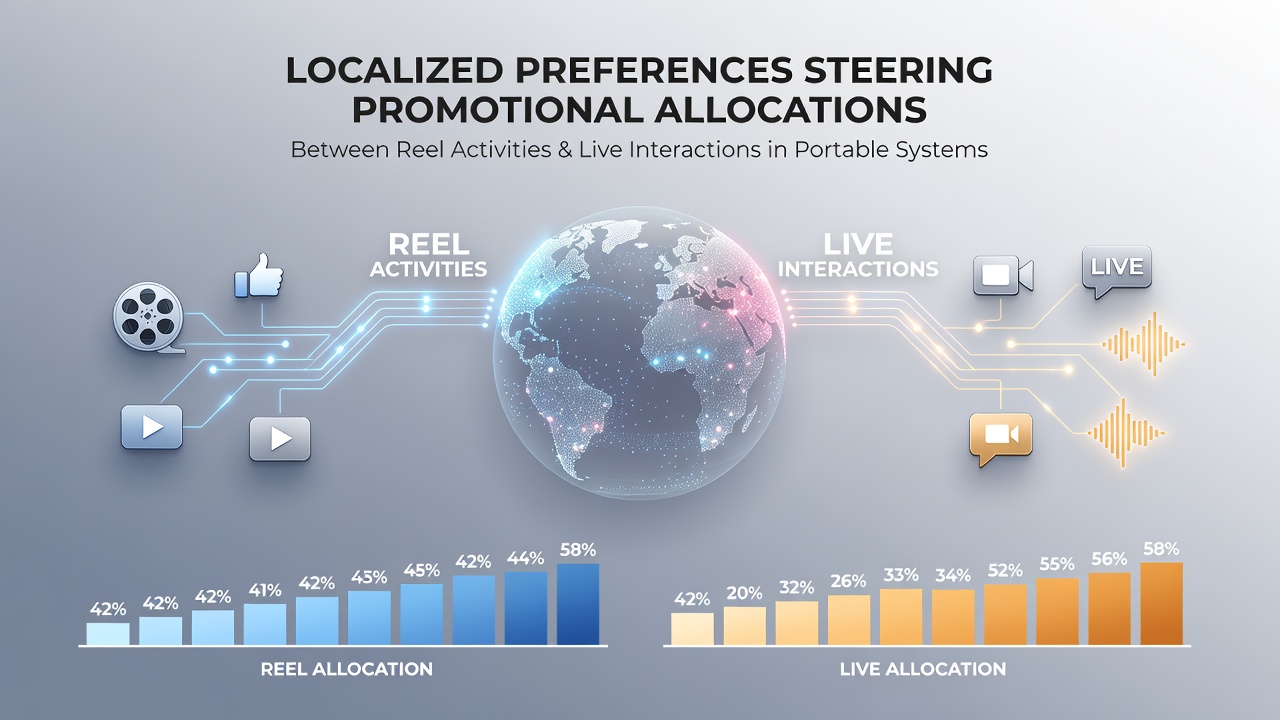
Portable systems have transformed how operators distribute promotional resources between reel activities such as digital slots and live interactions that feature real-time dealer tables, with regional user behaviors playing a central role in those decisions. Data from multiple markets shows operators adjusting bonus structures and marketing budgets based on observed patterns in player engagement across different geographic areas, where preferences for quick reel spins often diverge sharply from demands for interactive table sessions delivered through mobile apps.
Regional Patterns Shape Allocation Decisions
Analysts at industry research firms have documented consistent differences in how players in North America versus parts of Asia and Europe interact with mobile gaming formats, leading operators to redirect promotional funds accordingly. In markets where quick-session reel games dominate daily activity logs, campaigns emphasize free spins and deposit matches tied to slot play, whereas regions showing higher volumes of extended live dealer sessions receive targeted incentives such as cashback on table wagers or loyalty points for blackjack and roulette tables accessed via smartphones. Those who've studied this know the steering effect becomes visible when operators review session duration metrics and adjust bonus eligibility rules within a single unified app ecosystem.
Figures released in July 2026 by the Nevada Gaming Control Board highlighted a measurable uptick in mobile live interaction participation within the state compared to prior quarters, prompting several operators to shift portions of their promotional budgets away from reel-focused offers and toward live dealer rewards. Similar tracking in Australian jurisdictions, coordinated through state regulatory bodies, has revealed parallel trends where localized tastes for poker and baccarat tables steer resources toward interactive features rather than standalone reel promotions.
Data Sources Reveal Preference Drivers
Academic studies conducted at institutions including the University of Macau have examined how cultural factors and device usage habits influence whether users gravitate toward reel activities or live interactions on portable systems. Researchers compiled anonymized transaction data across multiple operators and found that players in densely populated urban centers often favor live dealer formats during evening hours, resulting in promotional allocations that include timed bonuses for table game participation. Meanwhile, suburban and rural cohorts in the same datasets showed stronger reel engagement during commute periods, which in turn guided operators to prioritize spin-based rewards in those segments.
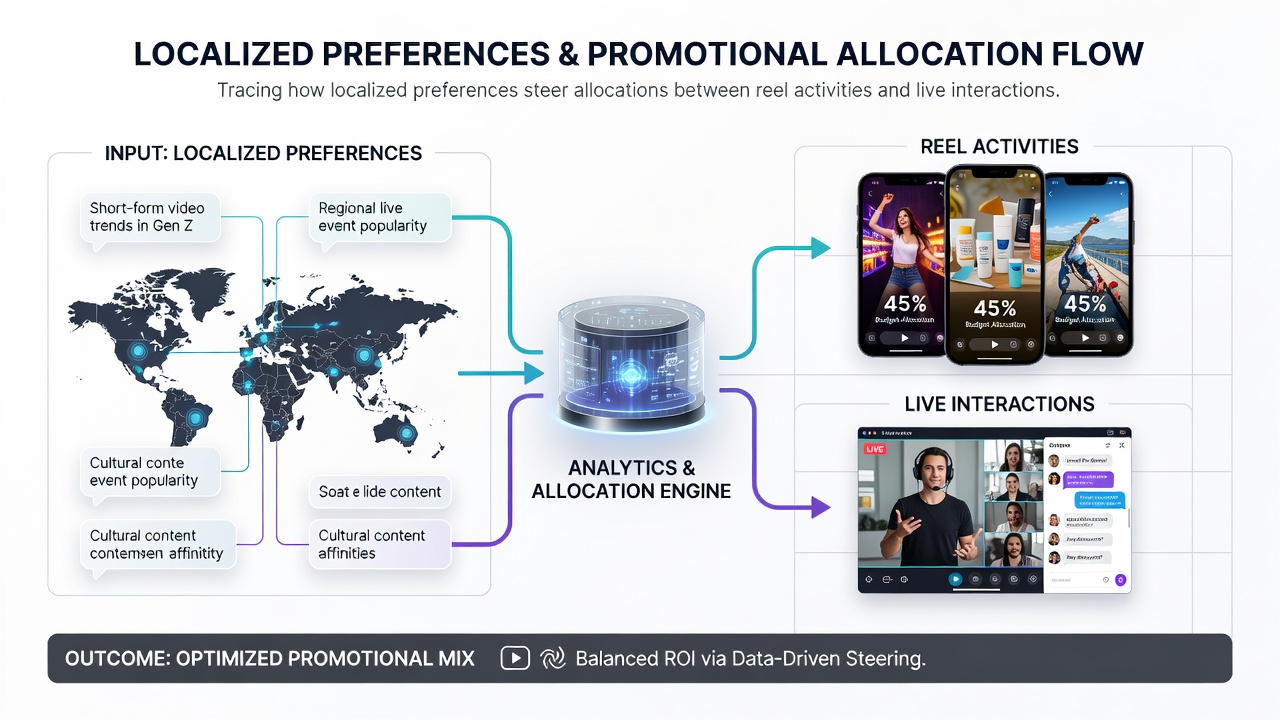
Industry reports from the American Gaming Association further indicate that operators monitor real-time heat maps of mobile app navigation to decide where promotional capital flows next. When data clusters show reel activities capturing the majority of new user acquisitions in a specific territory, marketing teams allocate larger shares of welcome bonuses to slot titles, while territories displaying live interaction spikes receive enhanced table game promotions such as risk-free hands or multiplier events. This allocation process operates continuously, with adjustments occurring weekly based on aggregated usage patterns rather than static assumptions.
Promotional Mechanics Adapt to Local Signals
Operators integrate location-aware features into their portable platforms so that users in one region encounter different promotional menus than users in another, even within the same app version. Reel-focused campaigns often feature progressive jackpot tie-ins and daily spin challenges in areas where short-session data predominates, whereas live interaction promotions incorporate schedule-based offers aligned with peak dealer table availability in regions demonstrating sustained engagement with real-time formats. Observers note that these mechanics rely on backend algorithms that weigh previous bonus redemption rates against current session trends to optimize spend without manual intervention.
Case examples from Canadian provincial operators illustrate how seasonal events and local holidays further refine these allocations, with reel promotions expanding during winter months when indoor mobile play increases and live dealer incentives growing during periods of higher social gaming interest. Regulatory filings submitted to the Alcohol and Gaming Commission of Ontario in mid-2026 showed corresponding budget reallocations that matched these observed shifts, confirming the direct link between localized preference data and promotional distribution.
Impact on Platform Development
Development teams at major gaming software providers have incorporated preference-mapping tools into their portable system updates, allowing operators to test promotional variants across micro-regions before full rollout. These tools track metrics such as average bet size per format and completion rates for bonus wagering requirements, then feed the results into allocation models that prioritize either reel or live interaction incentives accordingly. Evidence from deployment logs indicates faster iteration cycles when operators combine these tools with anonymized demographic overlays drawn from app store data.
Cross-border operators have additionally adopted multi-currency and multi-language frameworks that surface format-specific promotions based on detected user locale, ensuring reel activity bonuses reach players in markets favoring rapid gameplay while live interaction offers target audiences demonstrating longer dwell times at virtual tables. This approach minimizes wasted promotional exposure and aligns expenditures with documented behavioral clusters rather than uniform global campaigns.
Conclusion
Localized preferences continue to guide how operators apportion promotional resources between reel activities and live interactions within portable systems, with data collection and regional analysis forming the foundation of these decisions. Reports from regulatory bodies and academic researchers provide the quantitative backbone for ongoing adjustments, while platform features enable precise targeting that reflects actual usage patterns across territories. As mobile gaming ecosystems expand, the mechanisms for tracing and responding to these preferences are expected to grow more granular, supporting allocation strategies that remain responsive to evolving player behaviors in distinct markets.