Tracking Shifts in Blackjack Participation Following Recent Updates to Mobile Payment Options in Unified Betting Apps
Viktor Simmons · Jul 21, 2026
Tracking Shifts in Blackjack Participation Following Recent Updates to Mobile Payment Options in Unified Betting Apps
Unified betting apps have rolled out streamlined mobile payment features over the past year, and observers note measurable changes in how players engage with blackjack tables as a result. These updates include faster digital wallet integrations and instant transfer capabilities that reduce friction during live sessions, while data from multiple jurisdictions shows corresponding adjustments in session lengths and table selection patterns among blackjack enthusiasts.
Payment Feature Rollouts Across Major Platforms
Operators introduced enhanced mobile payment tools in early 2026 that allow seamless deposits and withdrawals directly within the same interface used for table games and sports wagers, and analysts tracking user behavior report that blackjack rooms experienced quicker entry points once these options activated. The changes coincided with broader adoption of contactless methods that sync with device biometrics, cutting down on the steps previously required to fund an account mid-session. Researchers at the University of Nevada Reno documented initial uptake spikes in digital wallet usage across regulated markets during the spring months leading into July 2026.
Observed Changes in Blackjack Engagement Metrics
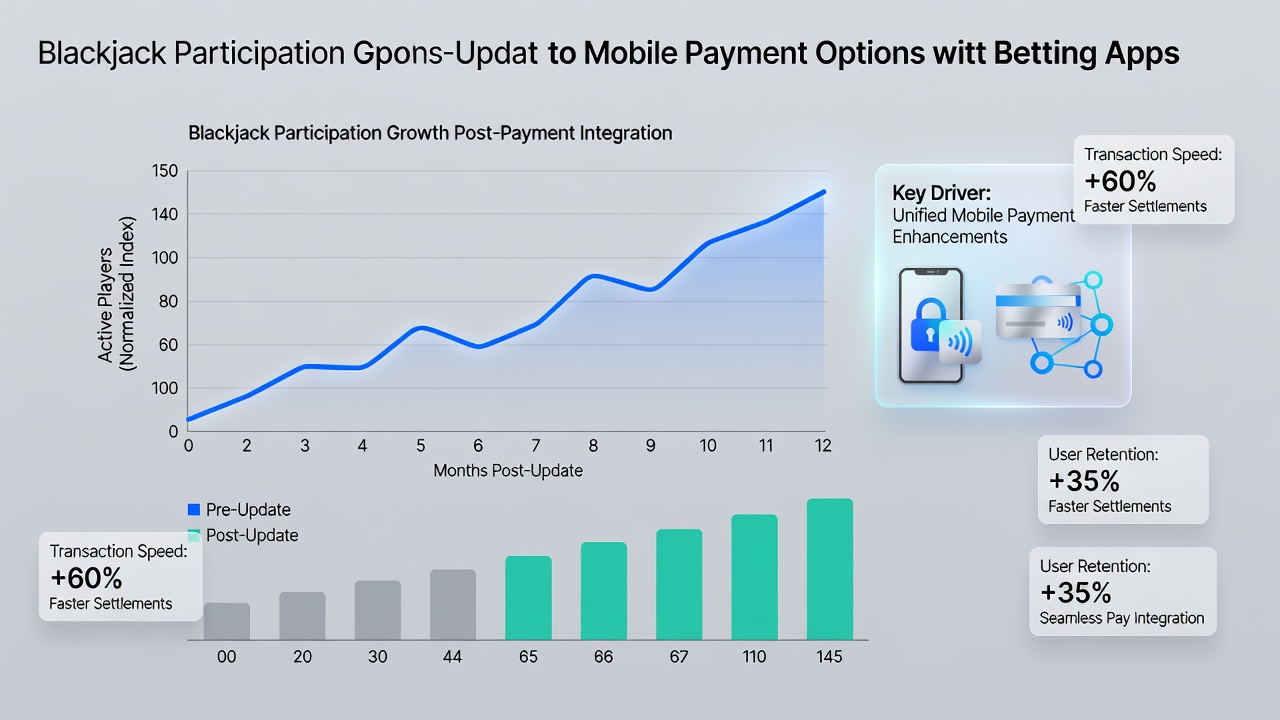
Participation figures released by state regulators indicate that average time spent at blackjack tables within unified apps rose modestly after the payment upgrades took effect, whereas withdrawal speeds improved enough to encourage repeat logins within shorter intervals. Data compiled through platform analytics reveal that players who previously favored separate banking apps now complete funding cycles inside the betting environment, leading to extended table presence in many cases. One study released by the American Gaming Association highlighted that blackjack hand volumes processed through integrated wallets increased by double-digit percentages in several U.S. states during the second quarter of 2026.

Regional breakdowns further illustrate these patterns, with higher-volume markets showing steadier growth in active blackjack seats compared to earlier periods. Platforms that combined instant deposit confirmations with loyalty tracking observed users switching between blackjack and other table formats more fluidly once payment barriers dropped.
Regional Variations in User Response
Markets with mature mobile gaming regulations, such as those overseen by the New Jersey Division of Gaming Enforcement, recorded the most pronounced upticks in blackjack activity tied directly to payment convenience. In contrast, emerging jurisdictions still refining their frameworks saw slower but steady gains as unified apps expanded wallet compatibility. Australian researchers from the Centre for Gambling Research at the Australian National University examined similar trends in cross-border app usage and noted that players in regions with strong digital banking infrastructure adapted quickest to the new options. These shifts appear concentrated among users who maintain consistent app sessions rather than sporadic logins.
Technical Factors Driving the Adjustments
Behind the scenes, API connections between payment processors and game servers have tightened response times to under three seconds for most transactions, which platform developers credit with keeping players inside blackjack lobbies instead of navigating away. Security protocols that authenticate via device-level verification have also reduced interruptions during critical betting moments, and industry reports confirm that error rates for failed deposits fell sharply following the July 2026 software patches. Unified apps now route funds through tokenized channels that maintain session continuity across table switches, a development that aligns with broader moves toward single-app ecosystems.
Future Tracking Considerations
Regulators and platform operators continue to monitor these metrics through quarterly reports that segment participation by payment type, allowing clearer identification of which wallet features correlate most strongly with sustained blackjack interest. Cross-referencing transaction logs with table occupancy data provides ongoing visibility into whether the initial gains stabilize or accelerate as more users adopt the streamlined options. Observers expect additional refinements in payment speed and cross-game fund transfers to appear in upcoming app versions, potentially amplifying the patterns already visible in current datasets.
Conclusion
Updates to mobile payment options within unified betting apps have coincided with measurable shifts in blackjack participation across multiple regulated markets, as evidenced by increased session durations and hand volumes documented in 2026 reports. These changes reflect broader integration of financial tools that keep players engaged within single environments, while regional data from sources such as the New Jersey Division of Gaming Enforcement and academic centers continue to provide detailed tracking. Ongoing analysis will clarify whether these trends persist as payment technologies evolve further.