Transaction Method Diversity and Its Correlation with Game Type Popularity in Integrated Betting Platforms
Otto Brooks · Jul 9, 2026
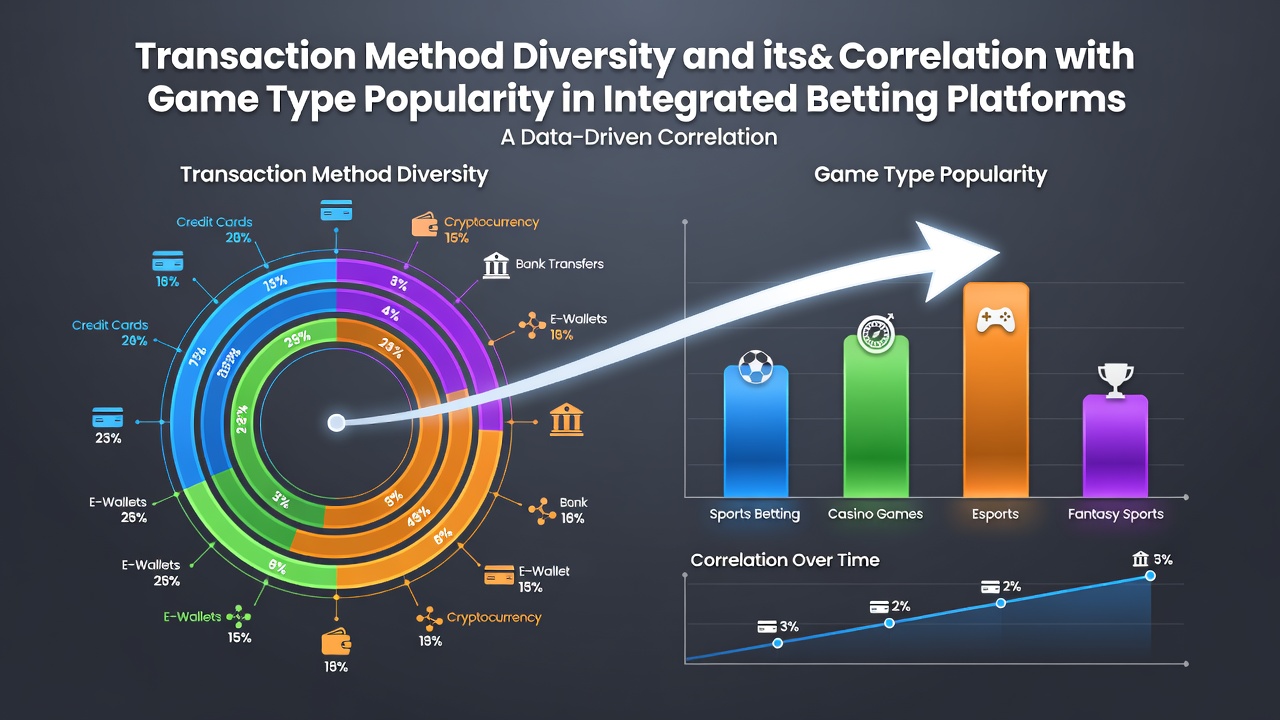
Transaction Method Diversity and Its Correlation with Game Type Popularity in Integrated Betting Platforms
Integrated betting platforms combine sports wagering, table games, slots, and live dealer options within single applications, where transaction method availability plays a measurable role in how users select and engage with different game types according to industry analyses conducted through mid-2026.
Payment Options Expand Across Unified Ecosystems
Transaction methods now range from traditional credit and debit cards to e-wallets such as Skrill and Neteller, bank transfers, and cryptocurrencies including Bitcoin and Ethereum, while platforms that support four or more distinct options report broader user bases in reports from regulatory bodies like the Nevada Gaming Control Board. Data collected from multiple jurisdictions shows that diversity in these methods aligns with increased activity across game categories rather than concentration in any single type, because users select payment routes that match their preferred game pace and stake sizes.
Observers note that e-wallet adoption correlates strongly with live dealer table games, since these options facilitate rapid deposits and withdrawals during extended sessions, whereas bank transfers appear more frequently among sports bettors who place larger, less frequent wagers on events spanning days or weeks.
Game Type Patterns Linked to Transaction Flexibility
Studies of user behavior on integrated platforms reveal that slots maintain steady popularity regardless of payment variety, yet platforms offering cryptocurrency options see elevated participation in sports betting during major events such as the 2026 summer leagues. Figures from the New York State Gaming Commission indicate that crypto-enabled accounts logged higher volumes in athletic wagers compared to accounts limited to card payments alone, because digital currencies reduce processing delays that can interrupt live betting sequences.
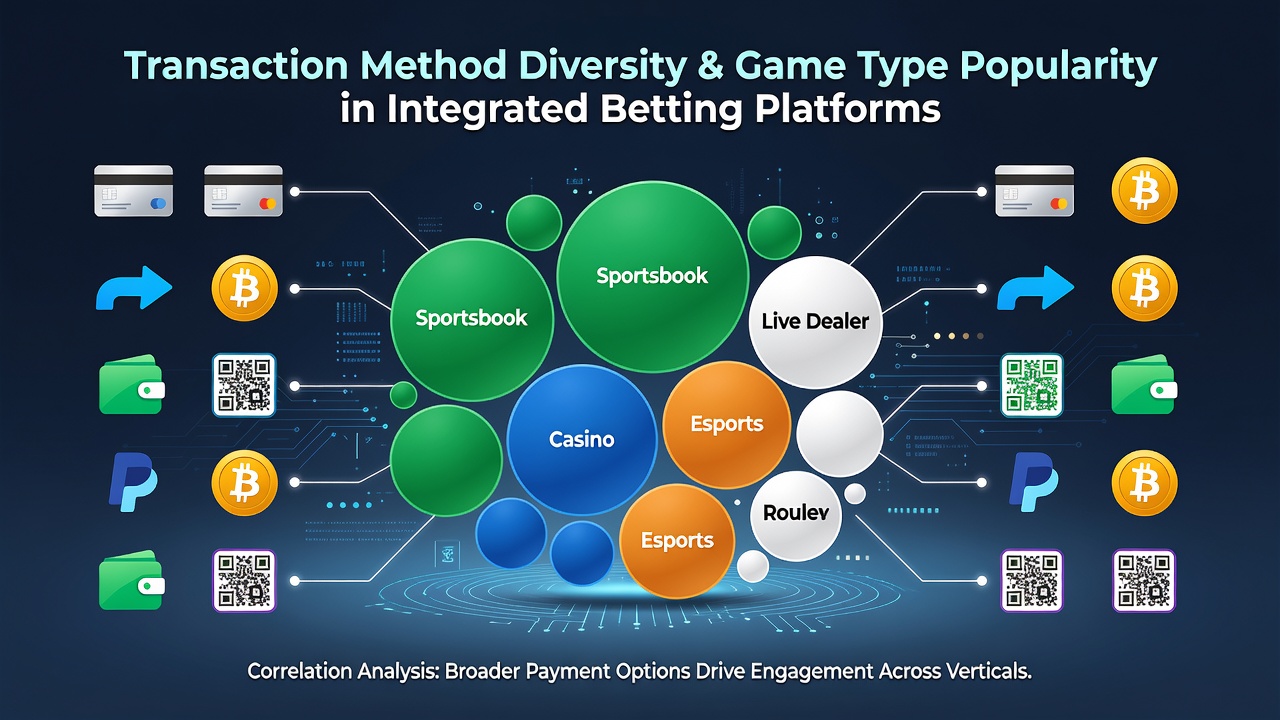
Table game enthusiasts meanwhile gravitate toward platforms with e-wallet integration, as these methods support smaller, repeated transactions typical of blackjack or roulette rounds, and similar patterns emerged in Canadian provincial data where varied payment access coincided with sustained engagement across poker and virtual sports formats through July 2026.
Regional Data Highlights Measurable Connections
Research from the Victorian Commission for Gambling and Liquor Regulation in Australia documented that integrated apps with expanded transaction diversity attracted higher percentages of users to live casino sections, while sports betting volumes grew in tandem with cryptocurrency availability. These findings align with trends observed in European markets where platforms supporting multiple currencies and local bank integrations recorded balanced distribution across game types instead of dominance by any one category.
One analysis of transaction logs from platforms operating in multiple regions found that users accessing five or more payment methods allocated their activity across at least three distinct game types on average, whereas those limited to two methods showed narrower preferences concentrated in slots or basic sports markets.
Factors Influencing Observed Correlations
Transaction speed and fee structures contribute to these patterns because low-cost, instant options encourage experimentation with higher-frequency games such as live dealer experiences, while secure but slower methods suit the deliberate pacing of sports event betting. Platform operators adjust offerings based on these behaviors, adding regional payment gateways that match local preferences and thereby influence which game types gain traction in specific markets.
Evidence gathered through the first half of 2026 suggests that transaction diversity functions as an enabler rather than a direct cause, since user demographics and promotional structures also shape selections, yet the presence of varied methods consistently appears alongside broader game type participation in aggregated industry statistics.
Conclusion
Transaction method diversity in integrated betting platforms correlates with wider distribution of activity across game types according to data from regulatory agencies and market analyses through July 2026, with e-wallets and cryptocurrencies showing particular alignment with live table games and sports betting respectively while slots demonstrate resilience across payment configurations. These connections emerge from observable patterns in user logs and regional reports rather than isolated platform features, indicating that payment flexibility supports varied engagement when other operational elements remain consistent.